Land use change, usually driven by agriculture, is a major environmental concern for the Amazon Rainforest. Those changes were evident at Tanguro, a research station in Mato Grosso, Brazil.

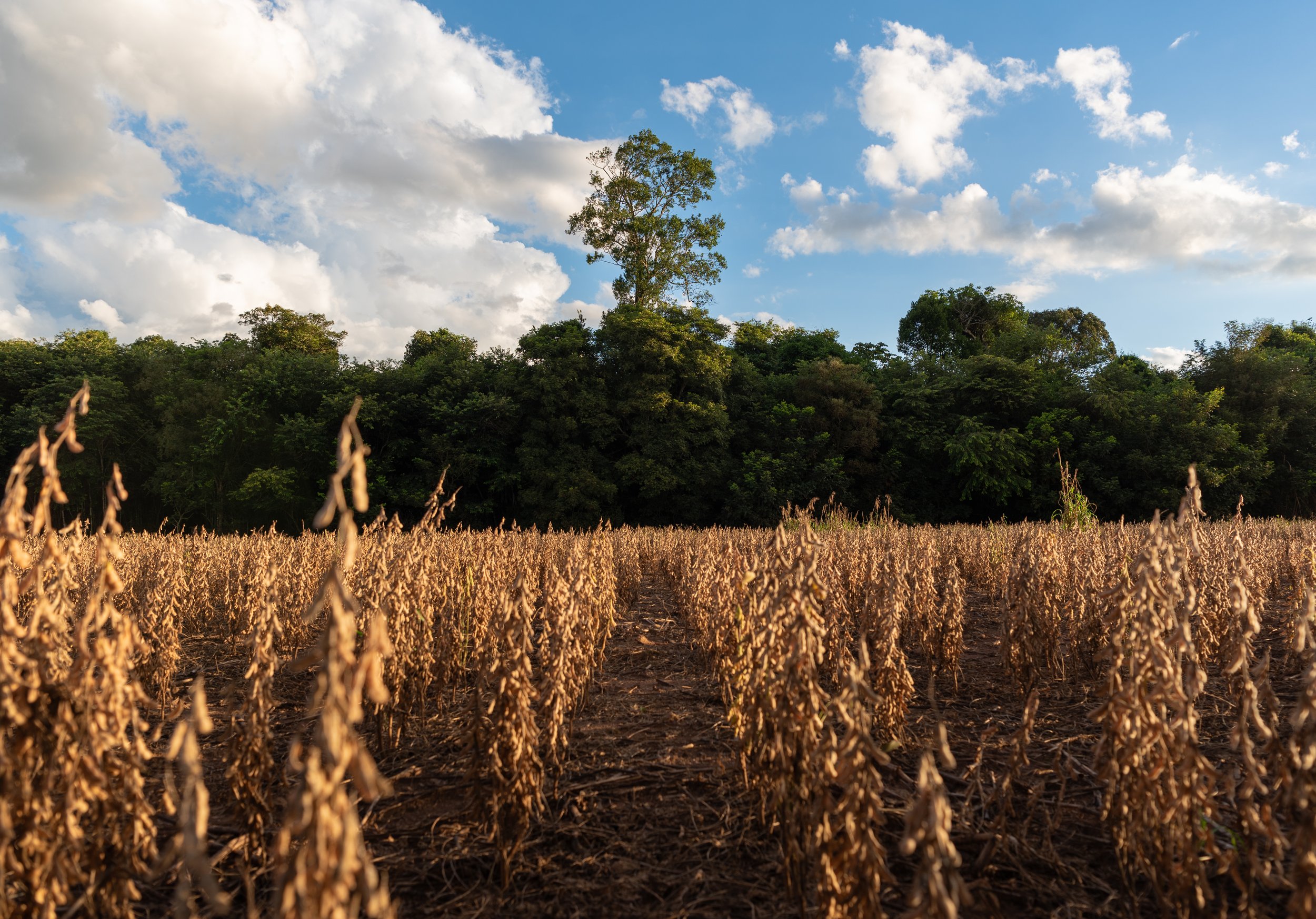
Since 2004, scientists have been allowed to research on the Tanguro farm, which is comprised of about 50% untouched rainforest and 50% farmland. Soy and corn farmlands surrounded the research station.

This field sits directly behind the cafeteria. Very few of these plants could be found in an undisturbed rainforest. Even the eucalyptus trees on the horizon aren't native.
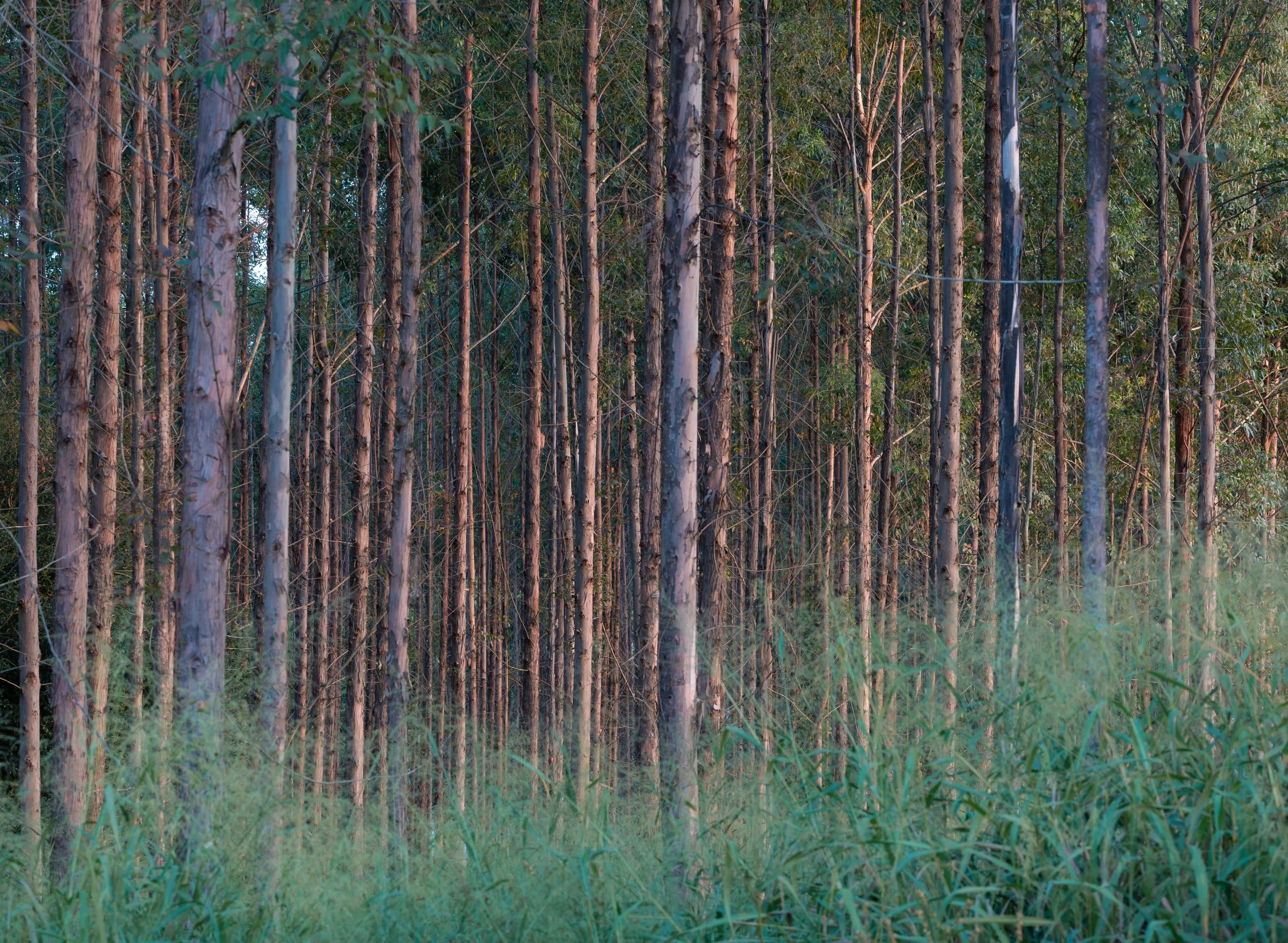
More eucalyptus trees. Farmers plant them for shade.

Even this image contains unnatural land features for a rainforest. A river was dammed to make this reservoir.

Different habitat, different animals. This burrowing owl, which prefers to live in open grasslands, made its home on the research station grounds.

Animals that are native to the area, like tapirs, must navigate forest fragmentation. Here, a tapir wades through a soybean field to reach a different section of forest.
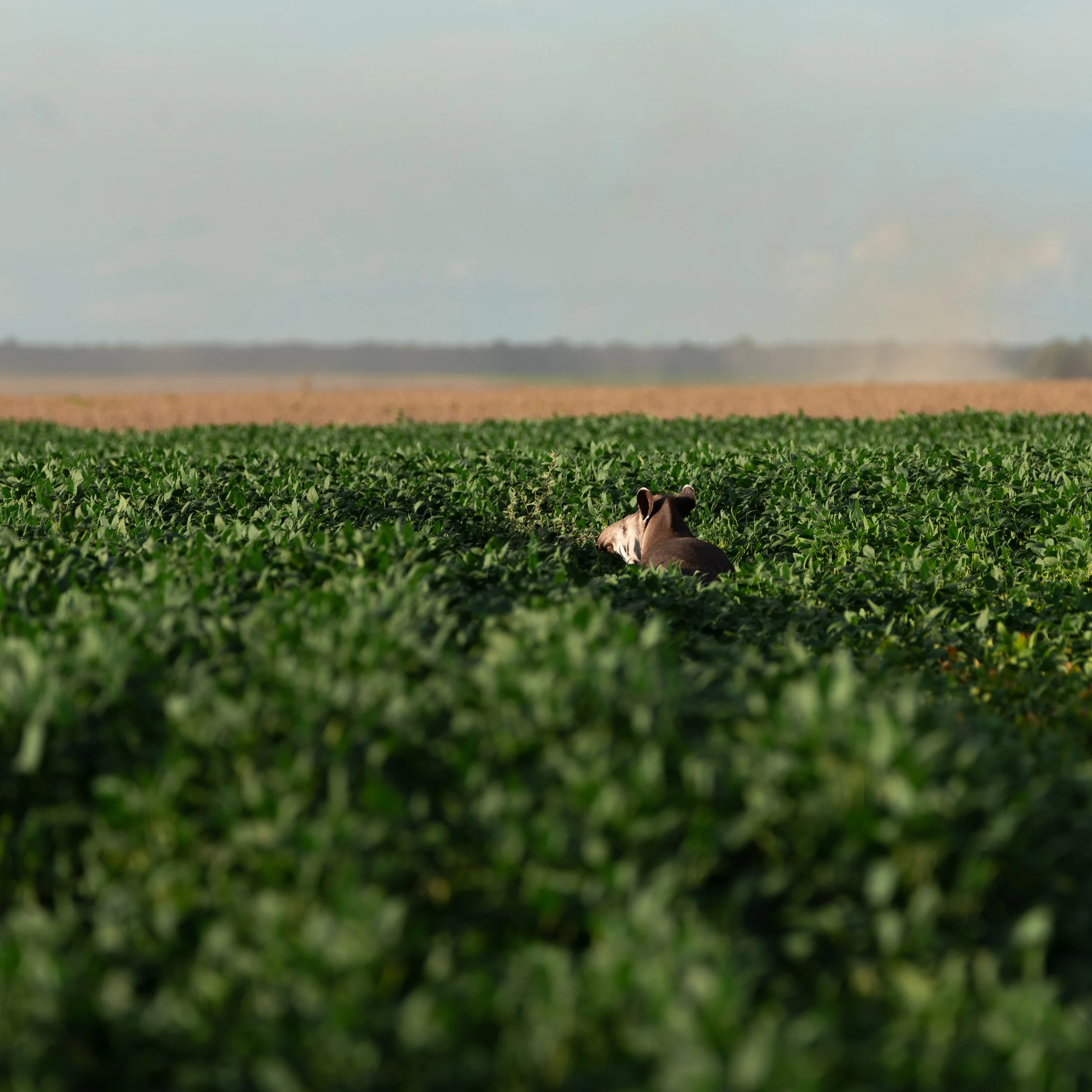
He has a long way to go.
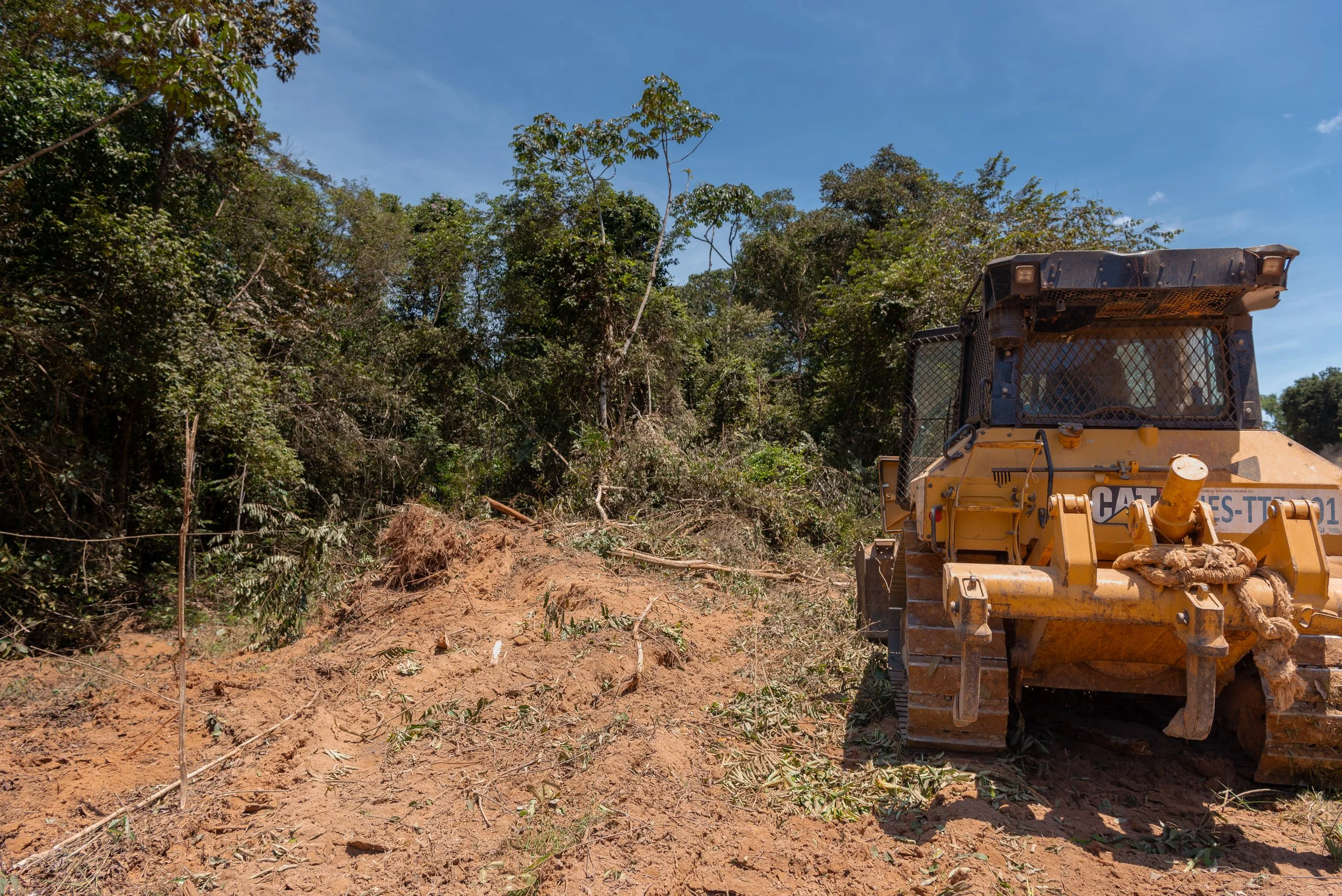
The changes aren't stopping. By this time, none of the trees in this image are left standing.

Entering the rainforest was like stepping into a different world.


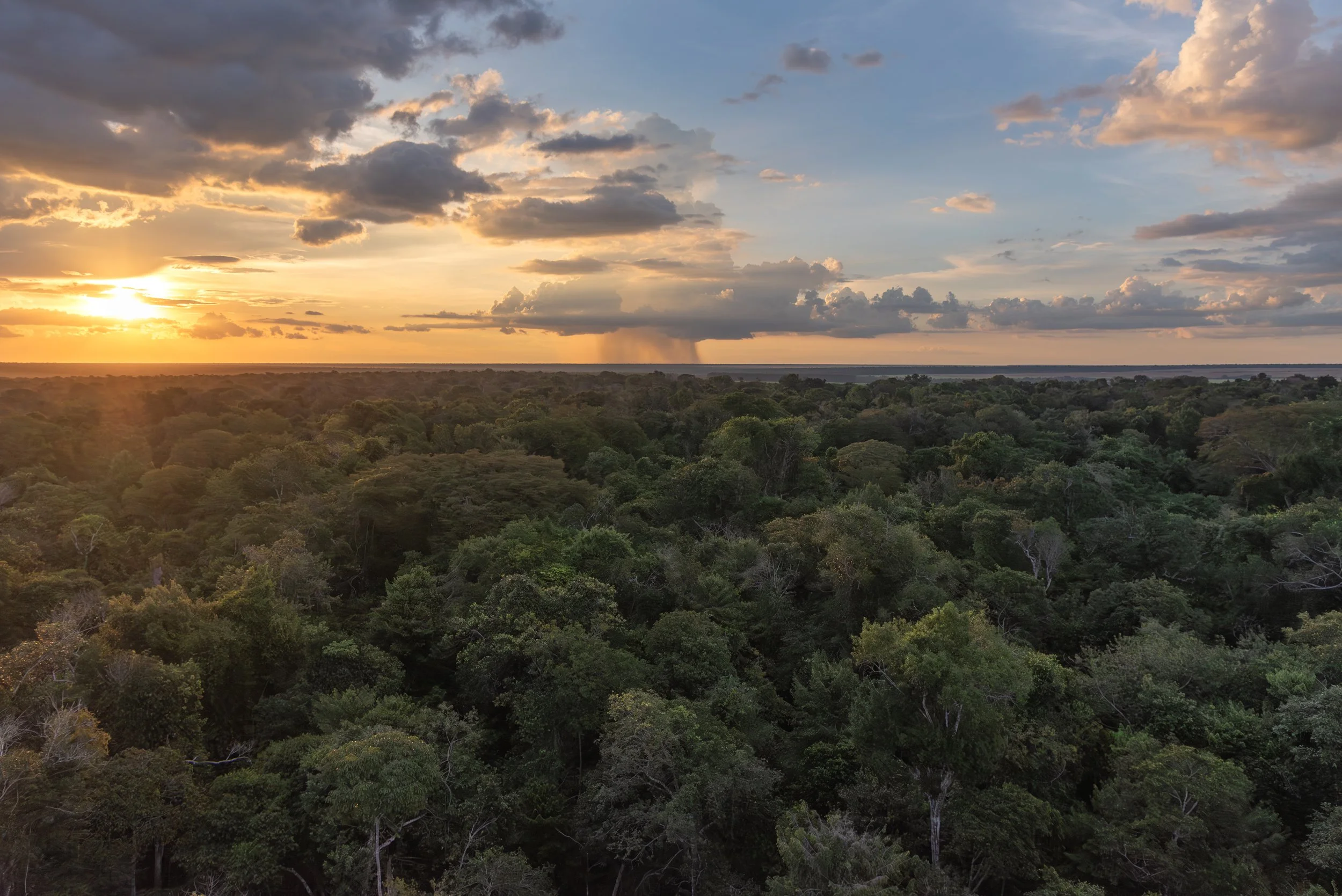

The goal at Tanguro was to understand how natural ecosystems are affected by surrounding land use change.

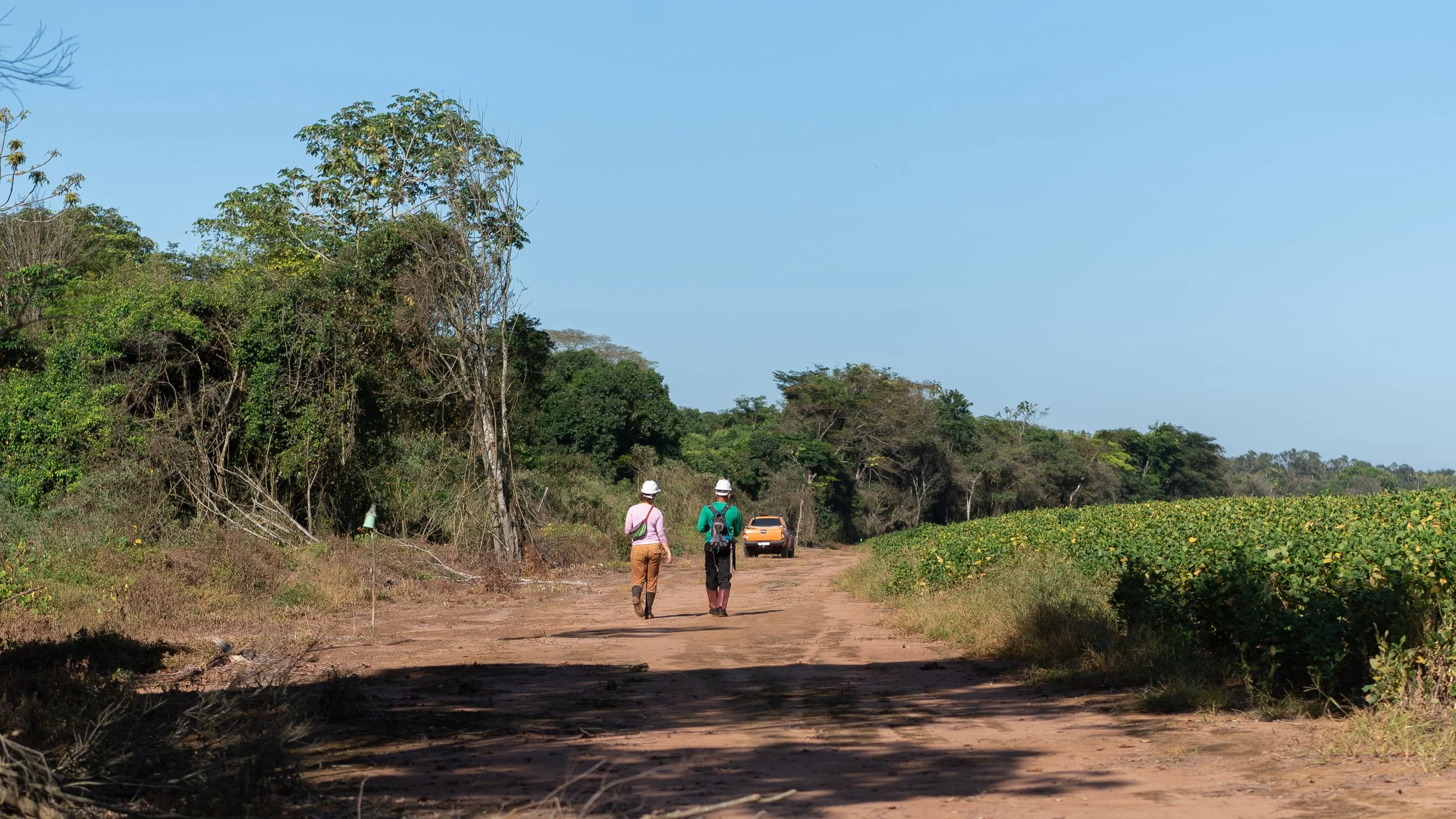
Thermal drones help us understand differences in the temperature profiles of farmlands and forests. This is especially important for water retention in soil. Forests are shadier and cooler, so water takes longer to evaporate compared to the sunnier farmlands. Look at how dry the dirt road is in this image -- that level of aridity is not natural for this area.
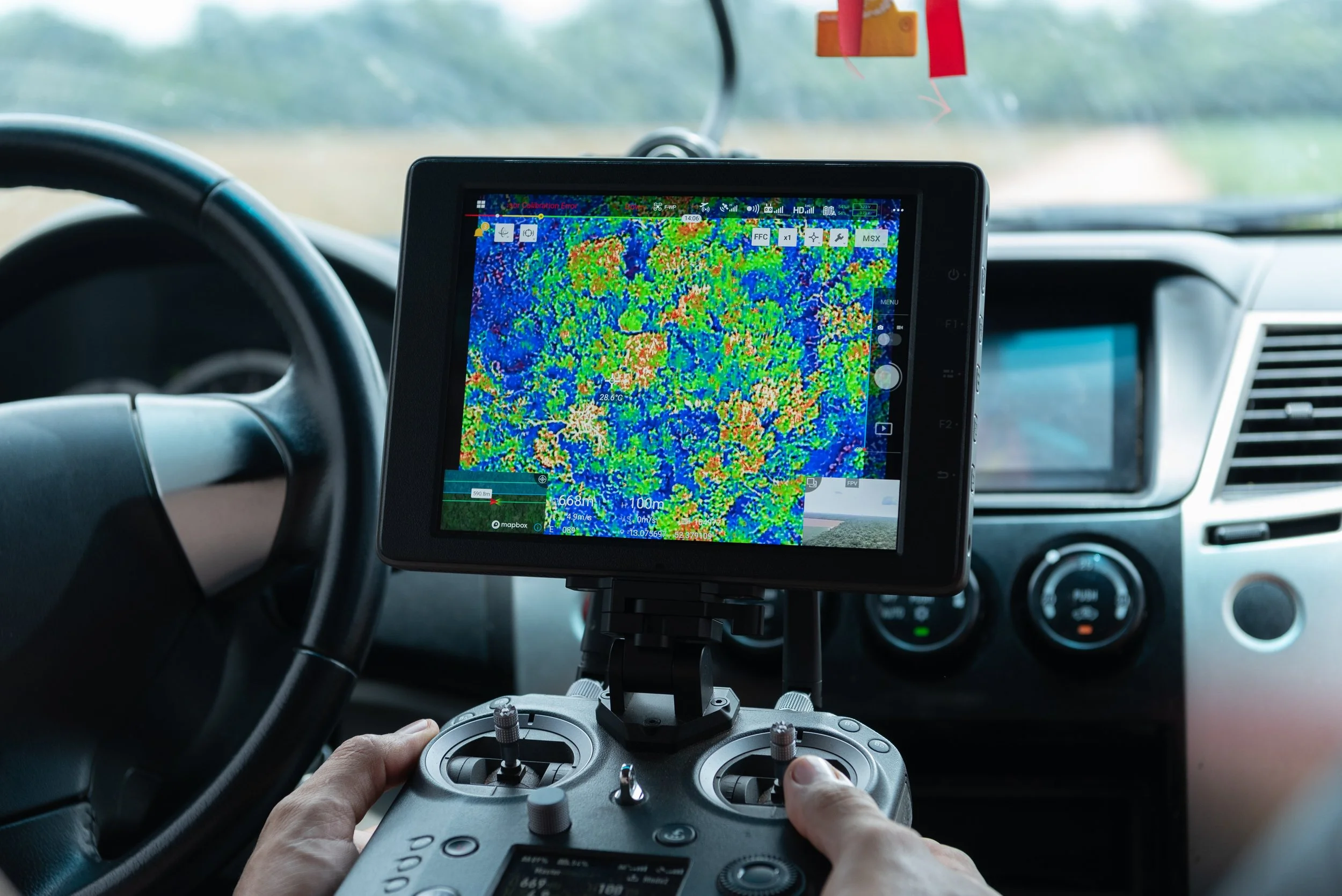
This is a thermal image taken from the drone during a flight. The red areas on the monitor are the hottest, and they are few and far between in the forest. Most of the understory is blue and green, with red present only at the top of the canopy. The thermal profile for the farmlands was filled with oranges and reds.

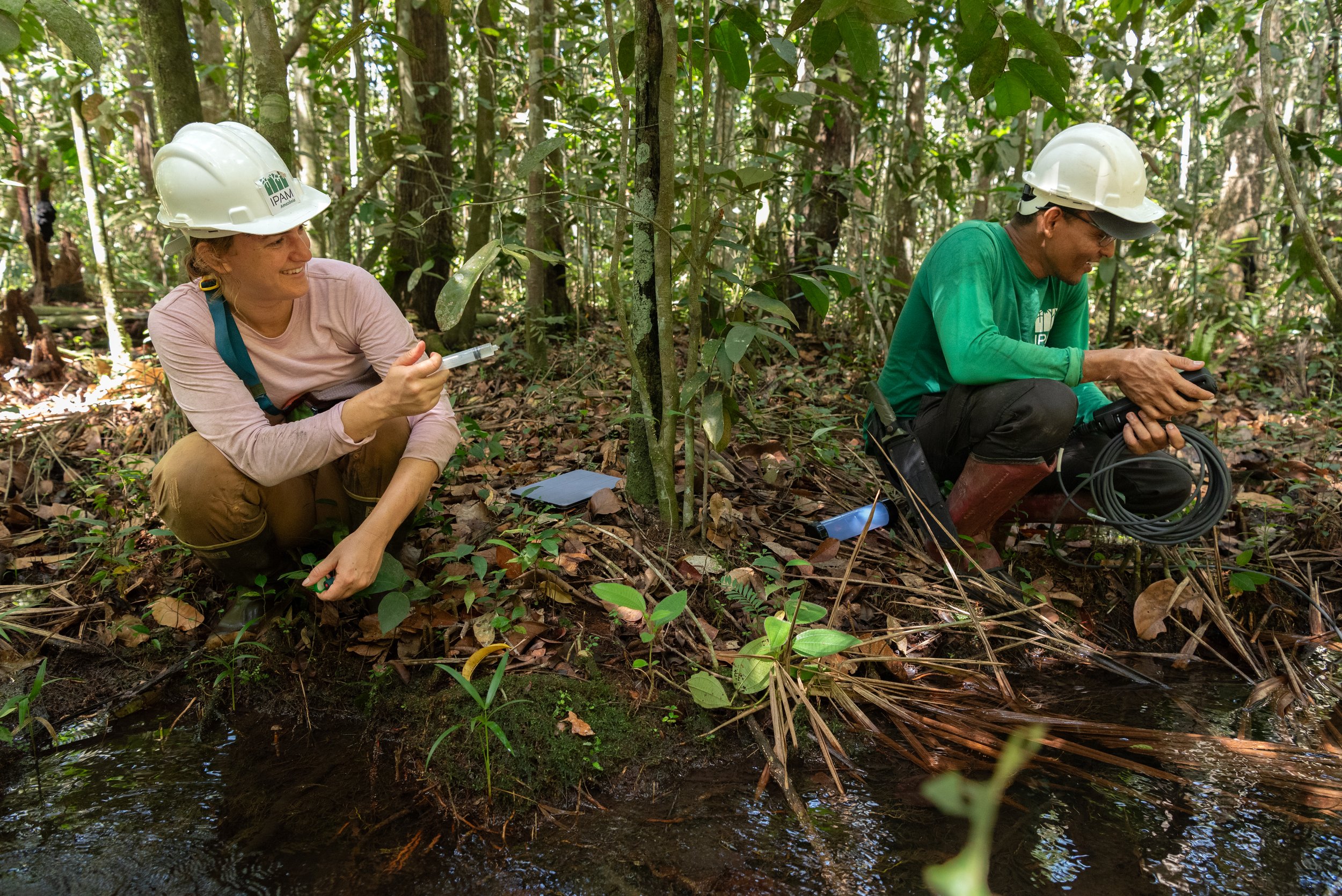
Deep in the forest, a coworker rinses a syringe with water from a nearby stream. She sampled the same streams at multiple locations, some of which were surrounded by farmlands, others forests.
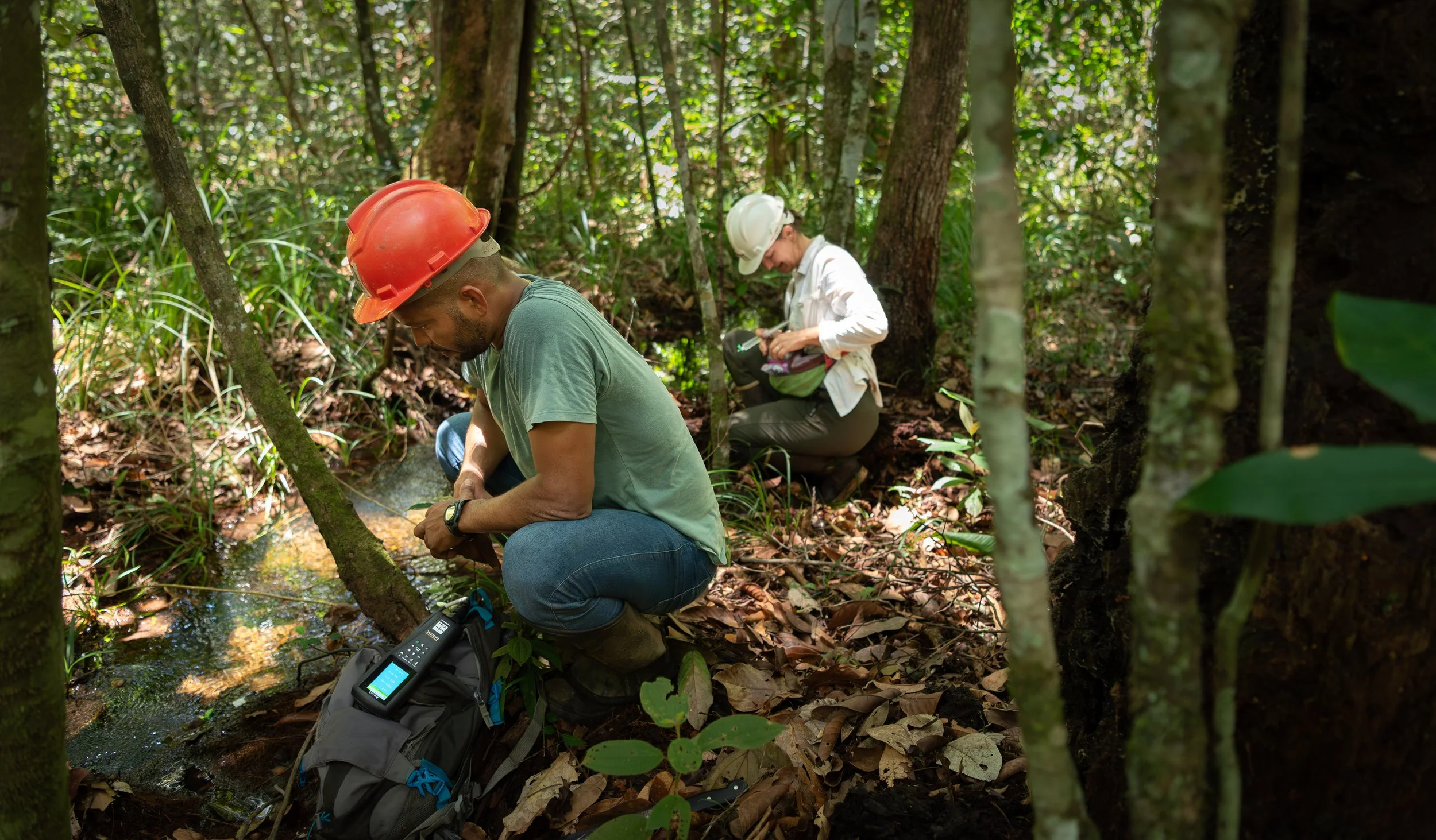
This helped her understand how humans change a river's nutrient levels and temperature. Fertilizers from the farms are carried deeper into the forest by rivers. Water temperatures are higher when there is no shade. Both of these changes affect which species can live in the rivers.
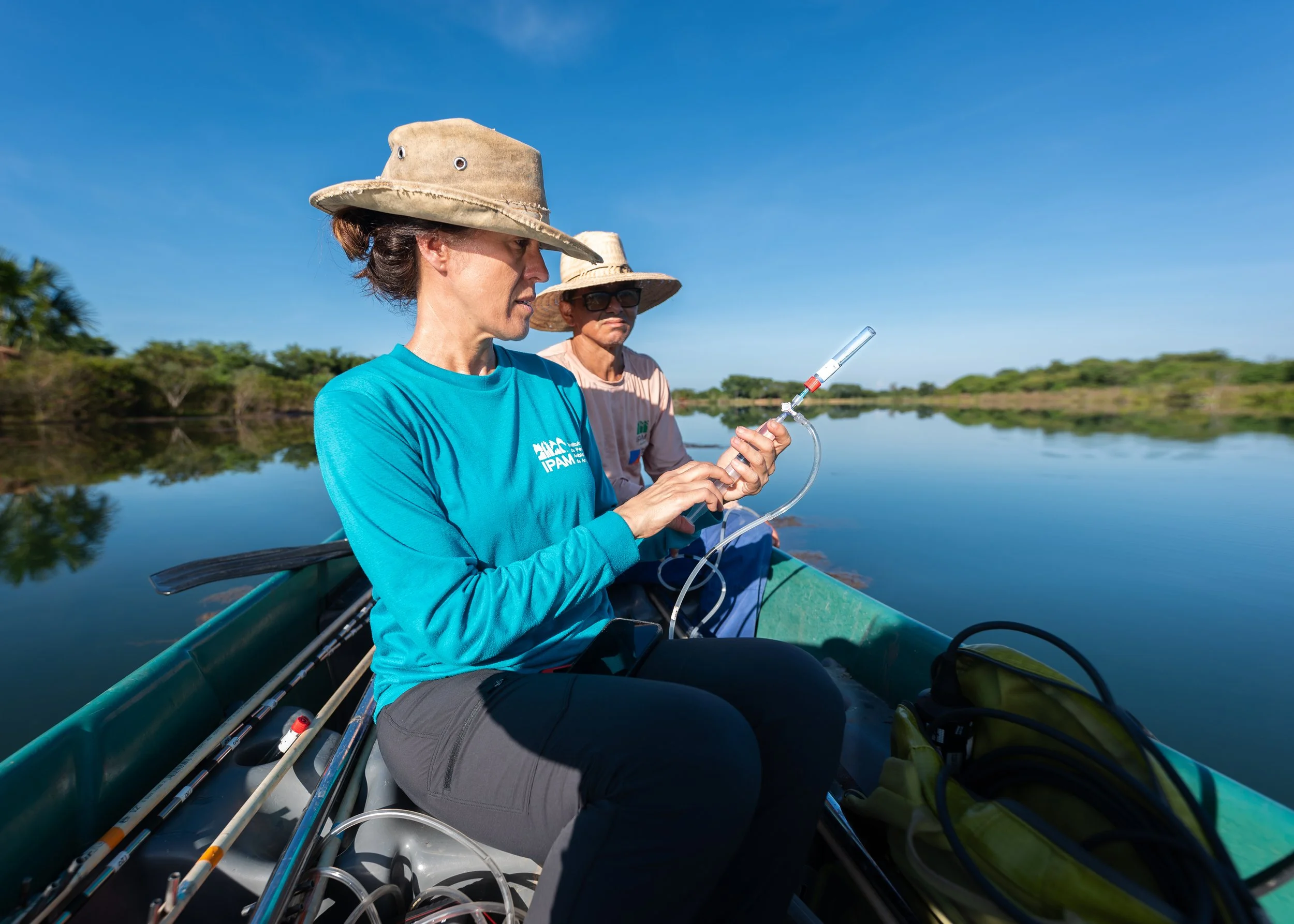
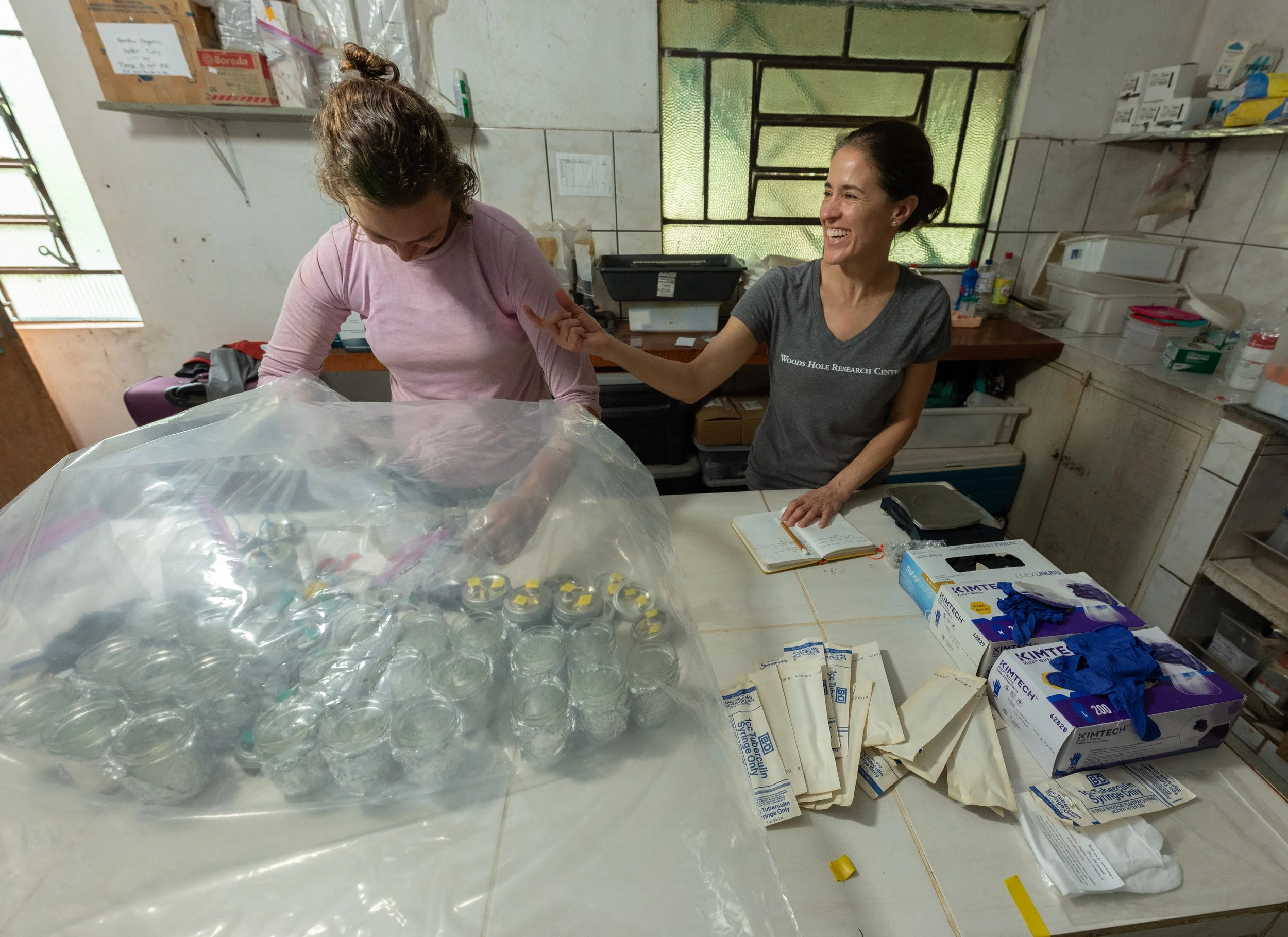
A scientist puts water from a manmade reservoir into a vial. The water itself is not so important for this experiment. Instead, she measured the concentration of dissolved methane gas particles that float in between water molecules. Methane is a potent greenhouse gas. Reservoirs like this one are common across the edge of the rainforest, but we don't have a good understanding of how much methane they release.

In the forest, there is a narrow tower that measures greenhouse gas concentrations, wind speed and direction, and temperature. A single one of these towers can measure these variables across an area around the size of a football field. There is a second tower in one of the farmlands, which allows scientists to compare differences in greenhouse gas emissions and absorptions across the ecosystems.

It's a long climb to the top.
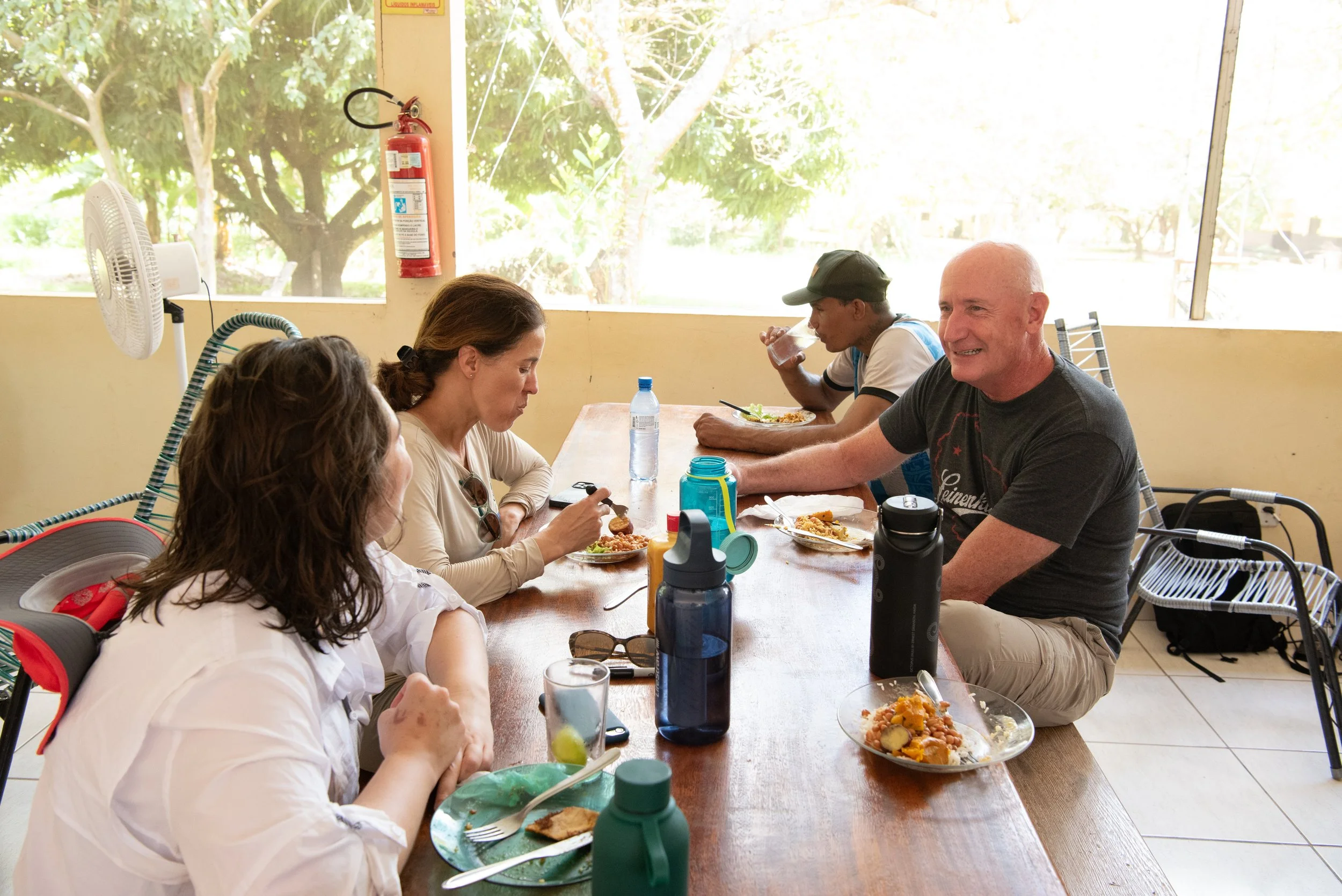
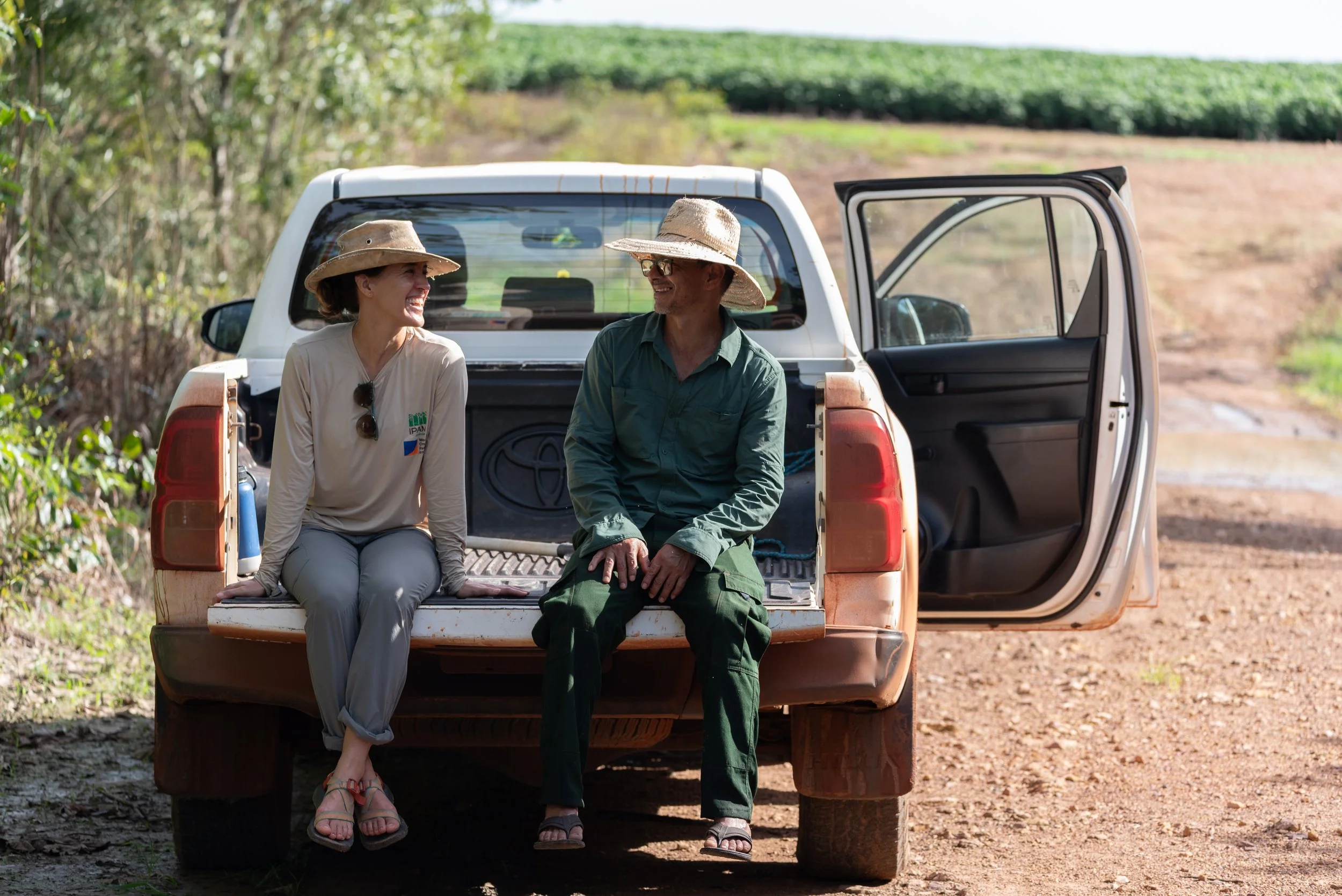
Many people visit Tanguro for only a short time, but there are a few full-time staff.
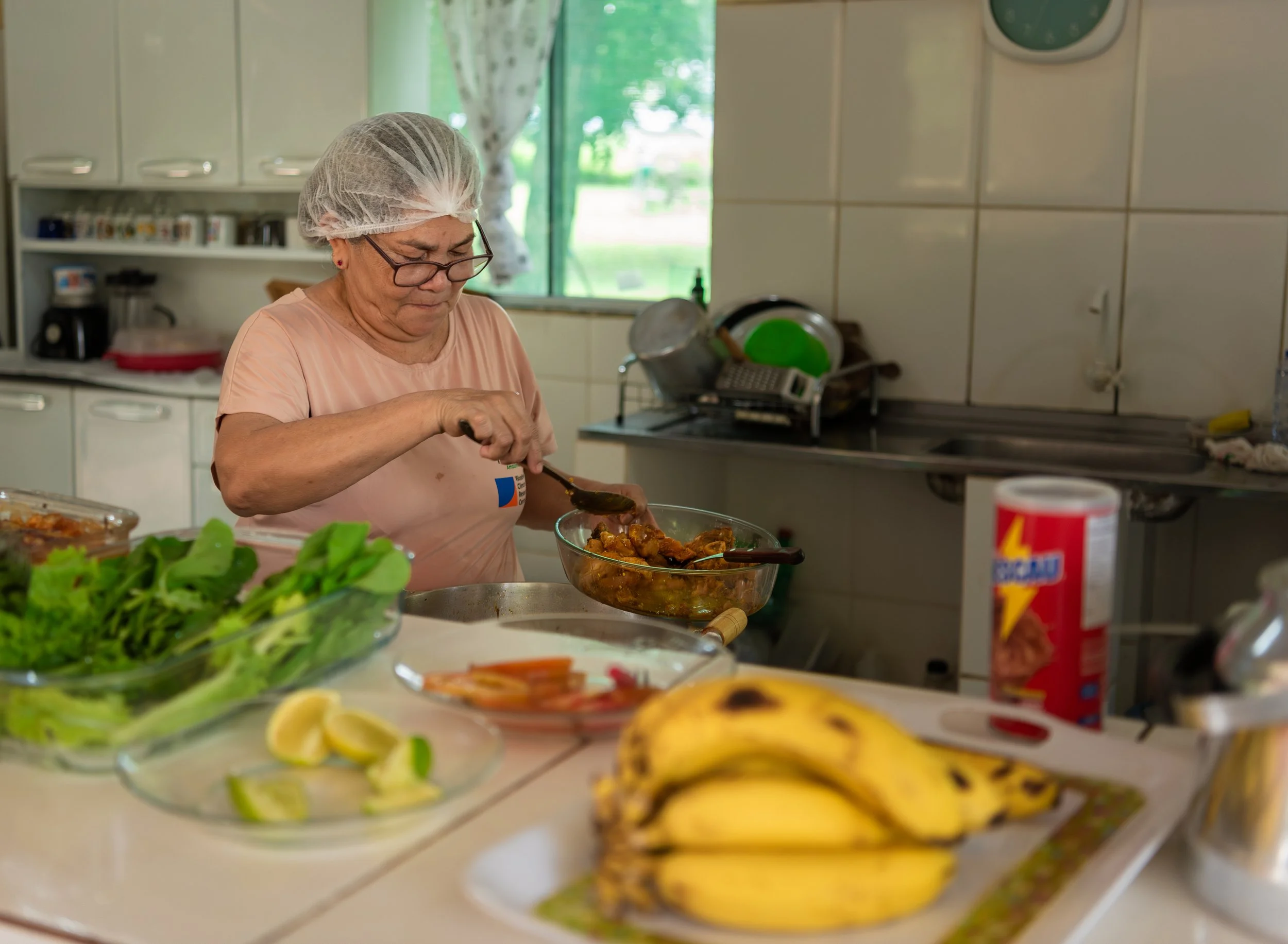
Dona Lúcia kept everyone well fed with three square meals each day. Don't be late, the food goes fast.
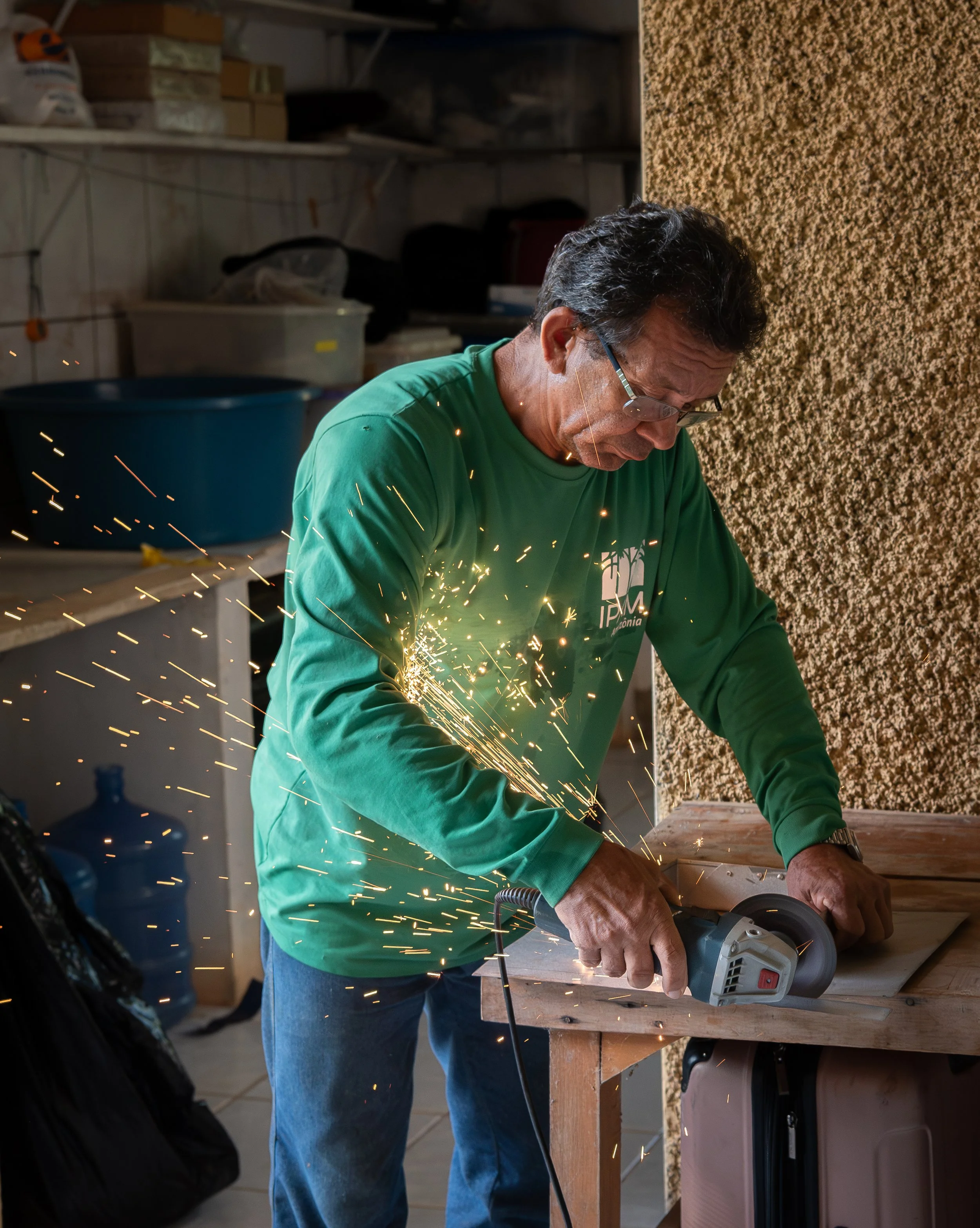
Her husband, Seu Bate, could construct just about anything. He has worked at Tanguro since the first year of the project.
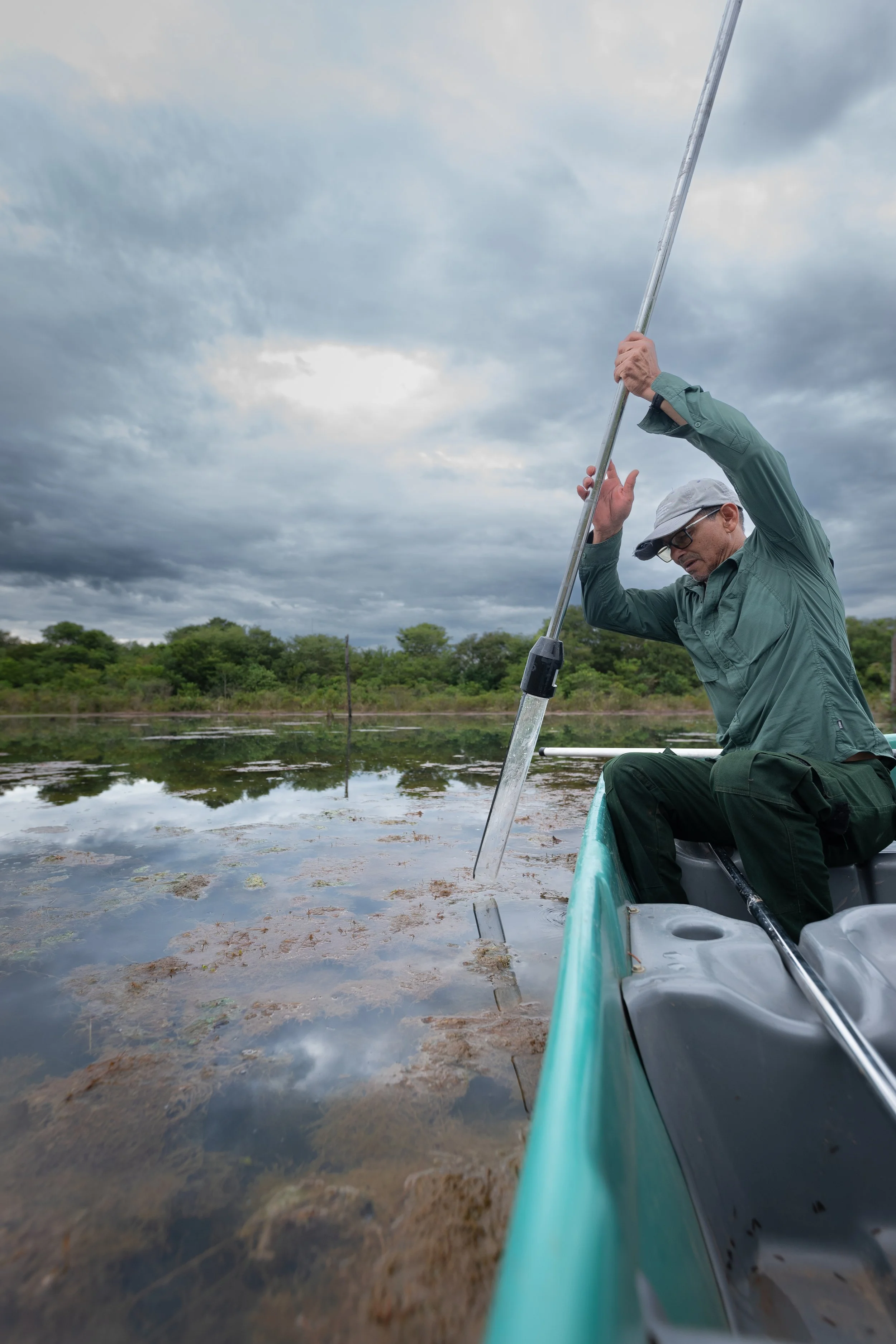
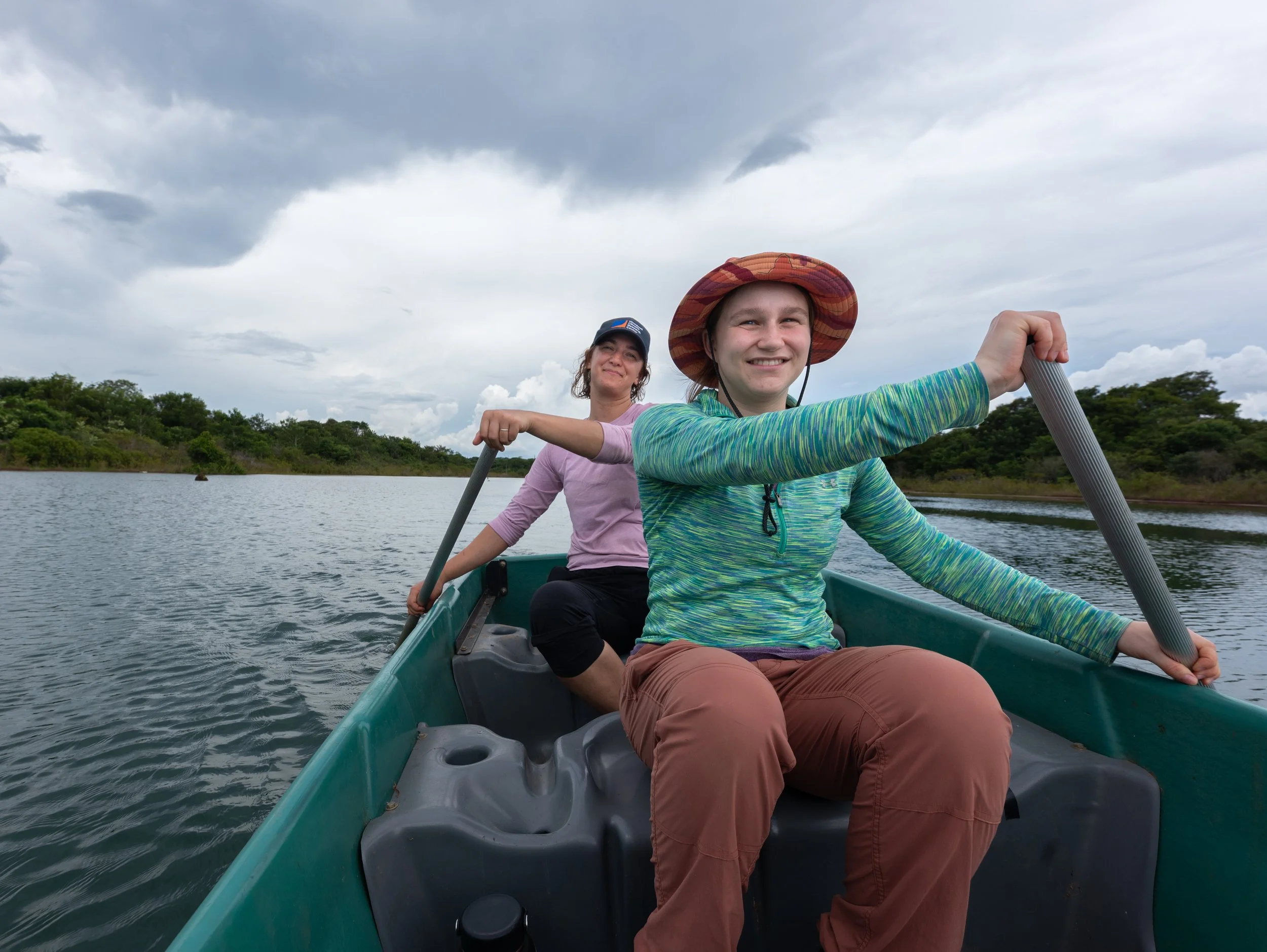
Santarém the boat master, Dona Lúcia's and Seu Bate's son-in-law. He helped with any sampling that happened in the water.
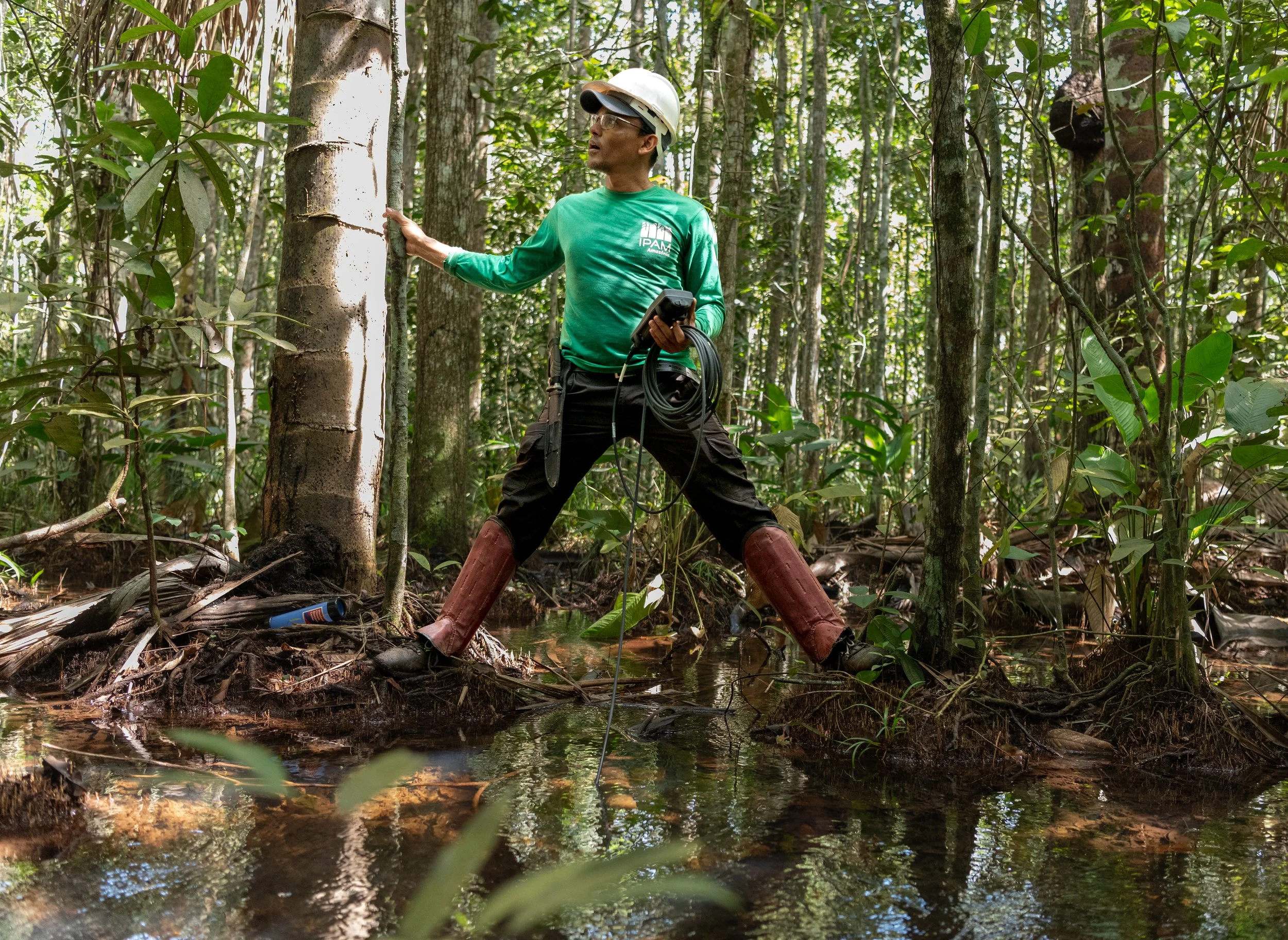
Leo, program coordinator. Always thinking three steps ahead.
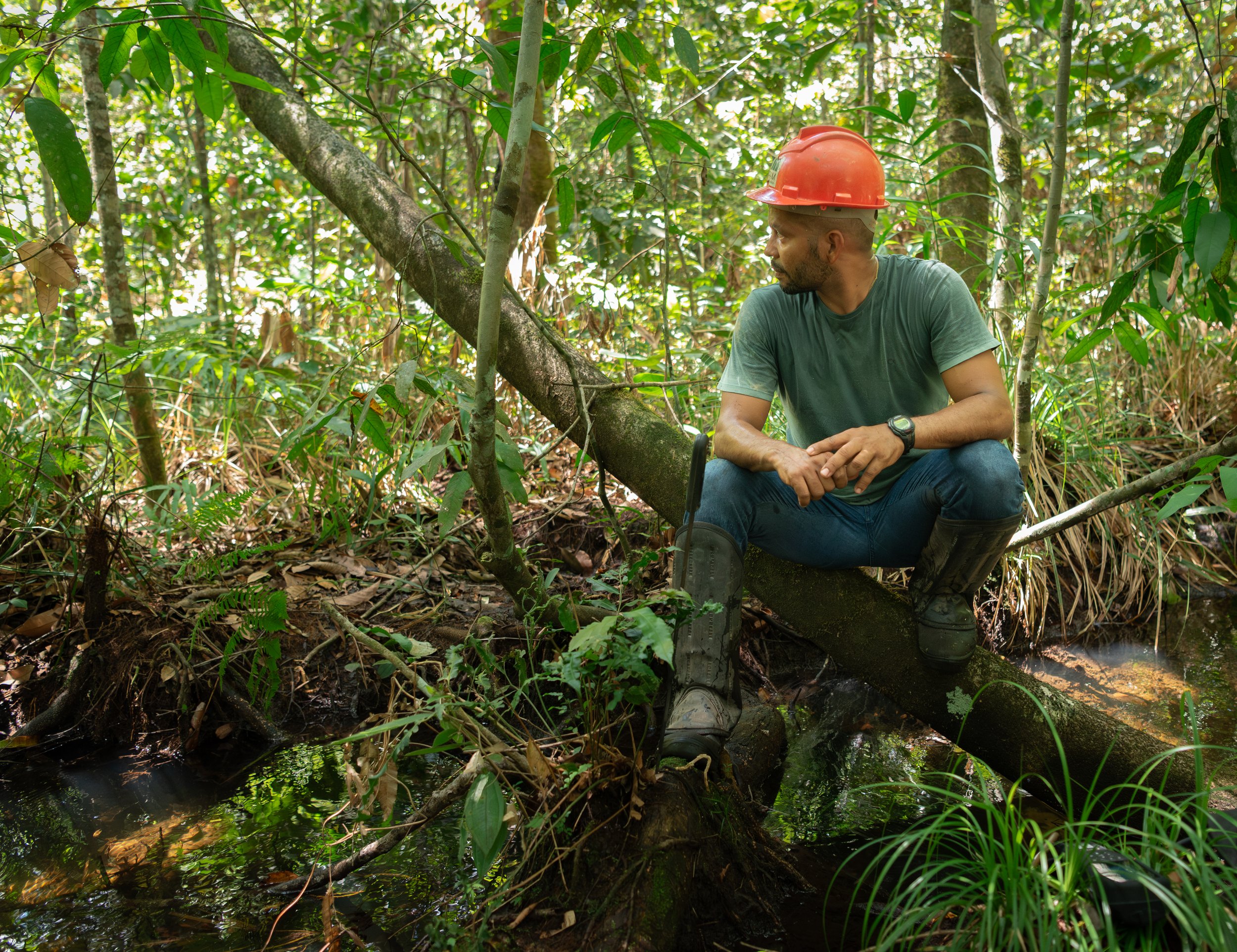
Darlisson, expert navigator. Rarely seen without his shin guards, which helped protect him from snake bites in the jungle.